**Collaborative Learning: Building Teamwork and Communication Skills**
Collaborative learning is a dynamic approach that fosters teamwork and enhances communication skills among individuals. Through working together towards a common goal, participants in collaborative learning environments develop a range of valuable skills that can benefit them in various aspects of their personal and professional lives. By engaging in group activities, discussions, and projects, individuals have the opportunity to learn from one another, share ideas, and build strong relationships based on mutual respect and understanding.
**Enhancing Teamwork Through Collaboration**
One of the key benefits of collaborative learning is the enhancement of teamwork skills. When individuals collaborate on tasks and projects, they learn how to work effectively with others, delegate responsibilities, and leverage each other’s strengths to achieve a common objective. Collaboration encourages individuals to listen to one another, consider different perspectives, and make decisions collectively based on consensus. By engaging in team-based activities, participants develop essential teamwork skills such as leadership, conflict resolution, and the ability to compromise for the greater good of the group.
**Fostering Effective Communication**
Effective communication is a crucial aspect of collaborative learning. Through interactions with peers, individuals have the opportunity to practice expressing their ideas clearly, actively listening to others, and providing constructive feedback. By engaging in discussions and group activities, participants learn how to communicate their thoughts and opinions in a respectful and assertive manner, leading to improved interpersonal relationships and a more harmonious working environment. Effective communication skills are essential not only in academic settings but also in professional settings where collaboration and teamwork are highly valued.
**Building Trust and Mutual Respect**
Collaborative learning environments create opportunities for individuals to build trust and mutual respect among team members. By working together towards a common goal, participants learn to rely on one another, support each other’s efforts, and celebrate shared successes. Trust and mutual respect are foundational elements of effective teamwork and communication, as they create a positive and supportive atmosphere where individuals feel comfortable expressing their ideas and working towards a shared vision. Building trust and mutual respect through collaboration can lead to stronger relationships, increased productivity, and a sense of belonging within a team.
**Encouraging Innovation and Creativity**
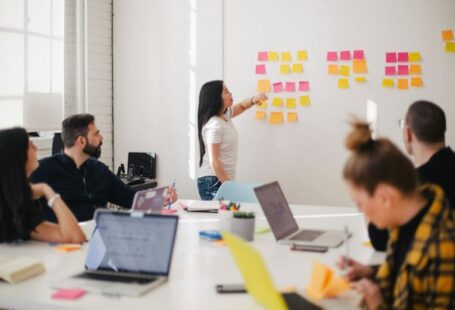
Collaborative learning environments are conducive to innovation and creativity. By bringing together individuals with diverse backgrounds, perspectives, and skills, collaboration sparks creativity and encourages out-of-the-box thinking. Through brainstorming sessions, project-based activities, and group discussions, participants have the opportunity to explore new ideas, experiment with different approaches, and find innovative solutions to complex problems. Collaborative learning not only enhances individuals’ creativity but also cultivates a culture of innovation within teams and organizations.
**Embracing Diversity and Inclusion**
Collaborative learning promotes diversity and inclusion by bringing together individuals from different backgrounds, cultures, and experiences. By embracing diversity, participants have the opportunity to learn from one another, broaden their perspectives, and gain a deeper understanding of various viewpoints. Collaborative learning environments create a space where all voices are heard, valued, and respected, leading to a more inclusive and equitable learning experience for everyone involved. Embracing diversity and inclusion through collaboration not only enriches the learning process but also promotes a culture of acceptance and appreciation for individual differences.
**Empowering Individuals Through Collaboration**
Collaborative learning empowers individuals to take ownership of their learning process, develop essential skills, and achieve their full potential. By working together towards common goals, participants learn to leverage their strengths, support one another’s growth, and overcome challenges as a team. Collaborative learning environments provide individuals with the opportunity to learn from their peers, receive constructive feedback, and continuously improve their skills through active participation and engagement. Empowered by collaboration, individuals develop a sense of agency, confidence, and resilience that can propel them towards success in their academic, professional, and personal endeavors.
**In Summary**
Collaborative learning is a powerful tool for building teamwork and communication skills among individuals. By fostering effective collaboration, enhancing teamwork, and promoting creativity, collaborative learning environments create opportunities for individuals to develop essential skills, build strong relationships, and achieve their full potential. Embracing diversity, fostering trust and mutual respect, and empowering individuals through collaboration are essential elements of creating a positive and inclusive learning experience. As we continue to navigate an increasingly interconnected and collaborative world, the skills and experiences gained through collaborative learning will be invaluable in shaping the leaders and innovators of tomorrow.