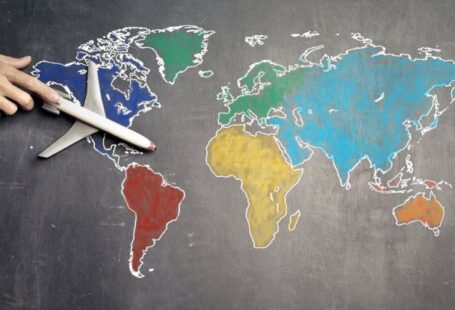
In a world that often seems divided by conflicts, misunderstandings, and intolerance, the role of education as a powerful tool for fostering global peace and understanding cannot be overstated. Education has the potential to break down barriers, promote empathy, and create a more harmonious world where people from different backgrounds can coexist peacefully. Through education, individuals can gain a deeper understanding of diverse perspectives, develop critical thinking skills, and cultivate respect for others. By investing in education, societies can cultivate a culture of peace and build a more inclusive and equitable world for future generations.
Promoting Cultural Awareness and Understanding
One of the key ways in which education contributes to global peace and understanding is by promoting cultural awareness and understanding. Through education, individuals have the opportunity to learn about different cultures, traditions, and belief systems, fostering a sense of empathy and appreciation for diversity. By exposing students to a range of perspectives and experiences, education helps to challenge stereotypes, combat prejudice, and promote mutual respect among people from different backgrounds. When individuals are educated about the richness and complexity of various cultures, they are more likely to approach interactions with an open mind and a willingness to learn from others.
Fostering Critical Thinking and Dialogue
Education also plays a crucial role in fostering critical thinking skills and promoting constructive dialogue. By encouraging students to question assumptions, analyze information critically, and engage in thoughtful discussions, education empowers individuals to challenge misinformation, combat extremism, and seek peaceful resolutions to conflicts. Through education, individuals learn the importance of listening to different viewpoints, considering evidence, and engaging in respectful debate. By fostering a culture of critical thinking and dialogue, education helps to build bridges between people with differing opinions and encourages collaboration towards common goals.
Empowering Individuals to Be Agents of Change
Education empowers individuals to be agents of change and advocates for peace in their communities and beyond. By equipping individuals with knowledge, skills, and values that promote peace, education enables people to address social injustices, promote human rights, and work towards a more peaceful world. Through education, individuals can learn about the root causes of conflicts, explore non-violent solutions, and advocate for positive change in their communities. By empowering individuals to be active participants in creating a more just and peaceful world, education lays the foundation for a more sustainable and harmonious global society.
Building a Culture of Peace and Tolerance
Education plays a critical role in building a culture of peace and tolerance by instilling values of compassion, empathy, and respect for human dignity. Through education, individuals learn the importance of resolving conflicts through peaceful means, promoting social justice, and upholding the rights and freedoms of all people. By nurturing a culture of peace within schools and communities, education helps to create environments where diversity is celebrated, differences are embraced, and conflicts are resolved through dialogue and understanding. By promoting values of peace and tolerance, education paves the way for a more inclusive and harmonious society where all individuals can thrive.
Embracing Education as a Path to Global Peace
In a world that is facing complex challenges and growing divisions, education stands out as a beacon of hope for fostering global peace and understanding. By promoting cultural awareness, fostering critical thinking, empowering individuals to be agents of change, and building a culture of peace and tolerance, education has the power to transform societies and create a more peaceful world for all. As we embrace education as a path to global peace, we must invest in quality education for all, promote dialogue and understanding across borders, and work together to build a more inclusive and harmonious future for generations to come. Education is not just a tool for learning; it is a powerful force for creating a world where peace, understanding, and cooperation prevail.